

Why One Sprinkler Zone Stopped Working: The 6 Most Common Causes in South Florida
A single dead irrigation zone is one of the most common service calls Auto Sprinkler Inc. receives across Martin County, Palm Beach County, and St. Lucie County — and it is also one of the most frequently misdiagnosed. Homeowners who assume a dead zone means a broken pipe end up surprised when the actual cause is a failed solenoid that costs a fraction of an excavation to fix. Others assume a controller problem and replace the timer when the real culprit is a corroded wire splice in the valve box. Before touching a shovel or buying parts, it helps to understand what actually causes a single zone to stop responding while the rest of the system works fine.
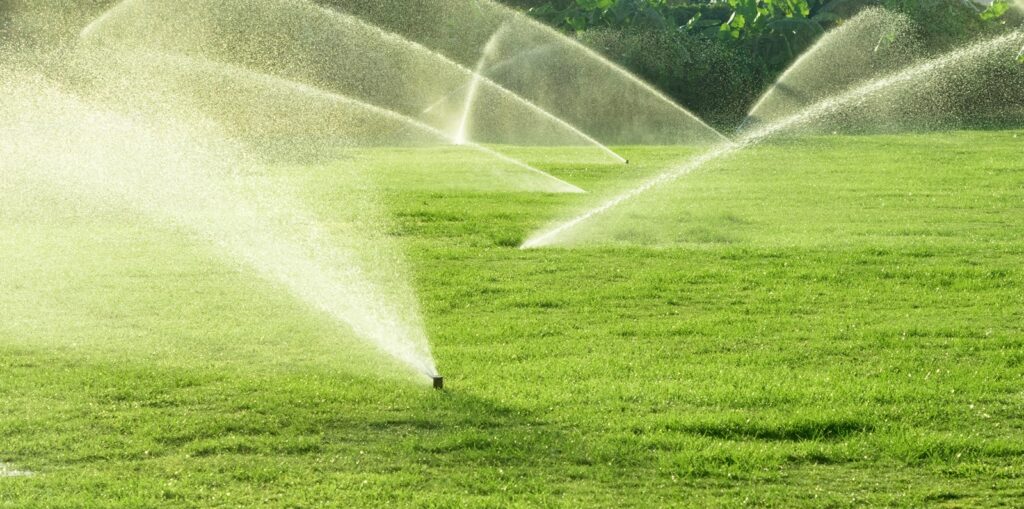
Here are the six most common causes of a dead irrigation zone in South Florida, how to distinguish between them, and what each repair typically involves.
How a Single-Zone Failure Differs From a Whole-System Problem
When only one zone fails while all others operate normally, the problem is almost certainly isolated to the components that are specific to that zone: the zone valve, its solenoid, the wiring that connects it to the controller, or a physical obstruction in the piping or heads on that zone. A problem that affects all zones simultaneously typically points to the water supply, the controller, the main supply valve, or the backflow preventer. Keeping this distinction in mind helps narrow the diagnosis before any physical inspection begins.
The diagnostic rule: if every other zone works normally, the failure is zone-specific. Start at the valve for that zone, not at the controller or the water main.
Cause 1: Failed Solenoid on the Zone Valve
The solenoid is the electromagnetic coil mounted on top of the zone valve that receives a low-voltage electrical signal from the irrigation controller and opens the valve to allow water flow. When the controller sends the activation signal for a zone and the solenoid fails to respond, the valve stays closed and the zone does not receive water. From the homeowner’s perspective, the controller appears to be functioning, the schedule is correct, and the program runs — but the zone stays dead.
Solenoid failure is the most common cause of a single dead zone on residential irrigation systems throughout Martin County. A solenoid coil can fail from age-related deterioration of the internal winding, from water intrusion through a cracked or poorly sealed coil housing, from a voltage spike during a lightning event, or simply from reaching the end of its service life after years of daily activation cycles. Diagnosis involves testing the solenoid’s electrical resistance with a digital ohmmeter. A properly functioning solenoid on most residential irrigation systems measures between 20 and 60 ohms. A reading outside that range — either open circuit (infinite resistance) or short circuit (near zero) — confirms solenoid failure. The repair is replacement of the solenoid coil, which threads onto the valve body and does not require removing the valve from the manifold in most cases.
Cause 2: Broken or Disconnected Irrigation Wiring
Every zone valve is connected to the irrigation controller by two wires: a dedicated zone wire that carries the activation signal to that specific valve, and a shared common wire that completes the circuit for all zones. If either of these wires is broken, corroded at a splice, disconnected from a terminal, or physically cut anywhere along its underground run, the controller cannot deliver the activation signal to the valve and the zone does not respond.
Wiring failures on irrigation systems in South Florida most commonly occur at underground splice points where the original wire connections were made with inadequate waterproofing and have corroded over time; at valve box entry points where wires were routed without proper protection and have been abraded; from pet or pest damage to wire runs near the surface; and from accidental cutting during landscaping, digging, or aeration work. Diagnosis involves testing the circuit resistance from the controller terminal for that zone to the valve box. An open circuit reading confirms a wire break somewhere along the run. Locating the break requires a wire tracer tool, which can identify the approximate position of a fault underground without requiring full excavation of the wire run.
Cause 3: Zone Valve Diaphragm Failure (Stuck Closed)
The diaphragm is the flexible rubber internal component inside the zone valve that physically opens and closes to control water flow. When the solenoid activates, it lifts the diaphragm to allow water to pass. When the zone cycle ends, the diaphragm reseats to block flow. If the diaphragm has hardened from age, developed a crack, or become stiff enough that it no longer responds to the solenoid’s lift signal, the valve will not open even when the solenoid is functioning correctly and the controller is sending the right signal. The result is a dead zone with an electrically intact circuit.
In South Florida’s climate, rubber components in outdoor irrigation equipment age faster than they do in cooler climates. The combination of UV exposure, heat, and the daily cycling that comes with year-round irrigation use hardens and stiffens diaphragm rubber over time. Valves on systems that are five or more years old without any service history are candidates for diaphragm inspection during any wet check or repair call. Diagnosis involves manually energizing the solenoid and listening for the valve to click open, then checking flow in the zone. A valve that clicks but does not pass water points to a mechanical diaphragm issue rather than an electrical one. The repair is a diaphragm rebuild kit for the specific valve brand and model, which is typically available for all major brands including Hunter, Rain Bird, Irritrol, and Toro.
Cause 4: Controller Output Circuit Failure
Irrigation controllers send activation signals to each zone valve through individual output terminals. If the output circuit for a specific zone terminal fails inside the controller — from a component failure on the circuit board, a lightning-induced voltage spike, or a short circuit in the valve wiring that damaged the output — the controller will appear to run the zone on schedule but will not actually send a viable activation signal. This can make the failure look identical to a wiring break or a solenoid failure from the outside.
The quickest way to rule in or rule out the controller as the source of the problem is to test whether the terminal for the dead zone is delivering the expected activation voltage (typically 24 to 28 volts AC) when that zone is manually activated at the controller. If voltage is present at the terminal and the zone still does not respond, the controller is not the problem. If no voltage is present while the zone is programmed to run, the controller output for that zone has failed. Modern irrigation controllers from Hunter, Rain Bird, and Toro are modular in design, and a failed zone module or output board can often be replaced without replacing the full controller — a meaningful cost difference, particularly for multi-zone commercial controllers.
Cause 5: Loss of Water Pressure to That Zone
A zone that activates electrically (the valve opens, the controller registers the zone as running) but delivers no water or very weak flow from the heads may have a pressure problem rather than an electrical or valve problem. The most common cause is a physical obstruction in the lateral supply line feeding that zone: a major pipe break that is discharging water underground before it reaches the heads, a crushed or kinked lateral line, or a zone filter that has become so clogged it restricts flow to near zero.
On residential properties throughout the Martin County area, lateral line breaks caused by tree root intrusion are a frequent cause of zone pressure loss. The roots of large oak trees, ficus, and bamboo seek out underground moisture sources, and irrigation lateral lines provide a reliable one. Once roots penetrate the pipe wall, they create a growing obstruction and a discharge point that drops pressure downstream. Properties with large established trees in close proximity to irrigation pipe runs should have those zones inspected during wet checks for early signs of root-related pipe stress.
Cause 6: Blown Inline Fuse or Tripped Controller Circuit
Some irrigation controllers include inline fuses or resettable circuit breakers that protect the controller’s output circuits from overcurrent damage. If a wiring short circuit on one zone delivers excessive current to the controller, the fuse for that zone’s circuit may blow, taking the zone offline entirely while the rest of the system continues to function. Many homeowners are not aware that their controller includes fuses, because the fuse holder is typically inside the controller housing at the terminal board.
A blown fuse on one zone output is most often the secondary effect of a wiring short circuit or a direct short inside a solenoid that has failed in a specific mode. Simply replacing the fuse without addressing the underlying short will result in the replacement fuse blowing as well. The correct approach is to diagnose and repair the short circuit first, confirm that normal resistance values are restored in the zone circuit, and then replace the fuse to restore power to the zone output.
DIY Diagnostic Steps vs. When to Call a Licensed Irrigator
What a homeowner can reasonably check:
- Confirm the controller is powered and the zone’s program is set correctly.
- Check that no manual isolation valve on the valve manifold for that zone has been accidentally turned to the off position.
- Inspect the valve box for obvious physical damage to wiring or visible moisture intrusion at connections.
- Manually activate the zone from the controller and listen at the valve box for an audible click from the solenoid.
- Walk the zone while it should be running and check whether any water is appearing at the heads at all.
When a licensed technician is needed:
- Testing solenoid resistance requires a calibrated ohmmeter and knowledge of the expected values for your specific valve brand and model.
- Wire tracing to locate an underground break requires a wire tracer tool and the experience to interpret the readings correctly.
- Valve diaphragm diagnosis requires disassembling the valve body under pressure-off conditions and evaluating the diaphragm’s condition accurately.
- Controller output voltage testing requires the right test equipment and knowledge of the expected voltage range for your specific controller model.
- Any repair involving excavation near existing pipe runs, additional wiring, or valve body replacement requires a licensed irrigator in Florida.
Florida law requires that irrigation system work performed for compensation be carried out by or under the direct supervision of a licensed irrigator. The Florida Department of Agriculture and Consumer Services oversees irrigation contractor licensing, and working with a licensed technician protects you as the property owner from liability associated with non-licensed irrigation work.
Why Dead Zones Are More Common in South Florida Than in Other Climates
Irrigation systems in Martin County, Palm Beach County, and St. Lucie County operate under conditions that accelerate component wear compared to systems in cooler, less humid climates. The combination of year-round operation (no seasonal shutdown), intense UV exposure that degrades rubber and plastic components, daily thermal cycling that fatigues wire connections and diaphragm rubber, salt air corrosion on coastal and waterway-adjacent properties, sandy soil that works into valve bodies and head mechanisms, and the tree root pressure from South Florida’s aggressive tropical and subtropical root systems creates a maintenance environment where component failures are more frequent and less predictable than in northern or drier climates.
Properties that have not had professional irrigation service in two or more years are statistically more likely to have developed at least one zone with a developing fault. The SFWMD estimates that poorly maintained irrigation systems in South Florida waste a significant portion of their applied water through leaks, misaligned coverage, and scheduling errors — waste that could be eliminated through regular professional inspection.
When to Call Auto Sprinkler Inc.
When one of your zones stops working, the most efficient path to a diagnosis and repair is a service call from a licensed technician who carries the diagnostic tools and the common replacement parts to identify and resolve the problem in a single visit. Auto Sprinkler Inc. is Martin County Licensed Irrigator #MC2500034, fully insured, and performs all work with our own trained technicians — no subcontractors. We carry solenoids, diaphragm rebuild kits, and common wiring components for all major brands on our service vehicles, allowing most single-zone failures to be diagnosed and corrected on the same visit. We serve all residential, commercial, and HOA properties throughout Palm City, Stuart, Jensen Beach, Hobe Sound, Port Salerno, and the entire Martin County, Palm Beach County, and St. Lucie County service area.
If your zone failure has also caused waterlogged turf or revealed an underlying drainage problem, we can evaluate both the irrigation and the drainage needs of your property during the same service appointment — a practical advantage of working with a company that specializes in both systems.
Dead zone on your irrigation system? Call Auto Sprinkler Inc. at 772-212-1200 or submit a request at autosprinkler.com. Licensed, insured, and ready to diagnose the cause accurately — because guessing at irrigation problems costs more than diagnosing them correctly.